Recent Projects 

ASK offers public and private sector clients commercially-focused advice leading them towards an environmentally-friendly, sustainable future.

Below we have compiled some of our recent projects as examples of what we can achieve with our clients.

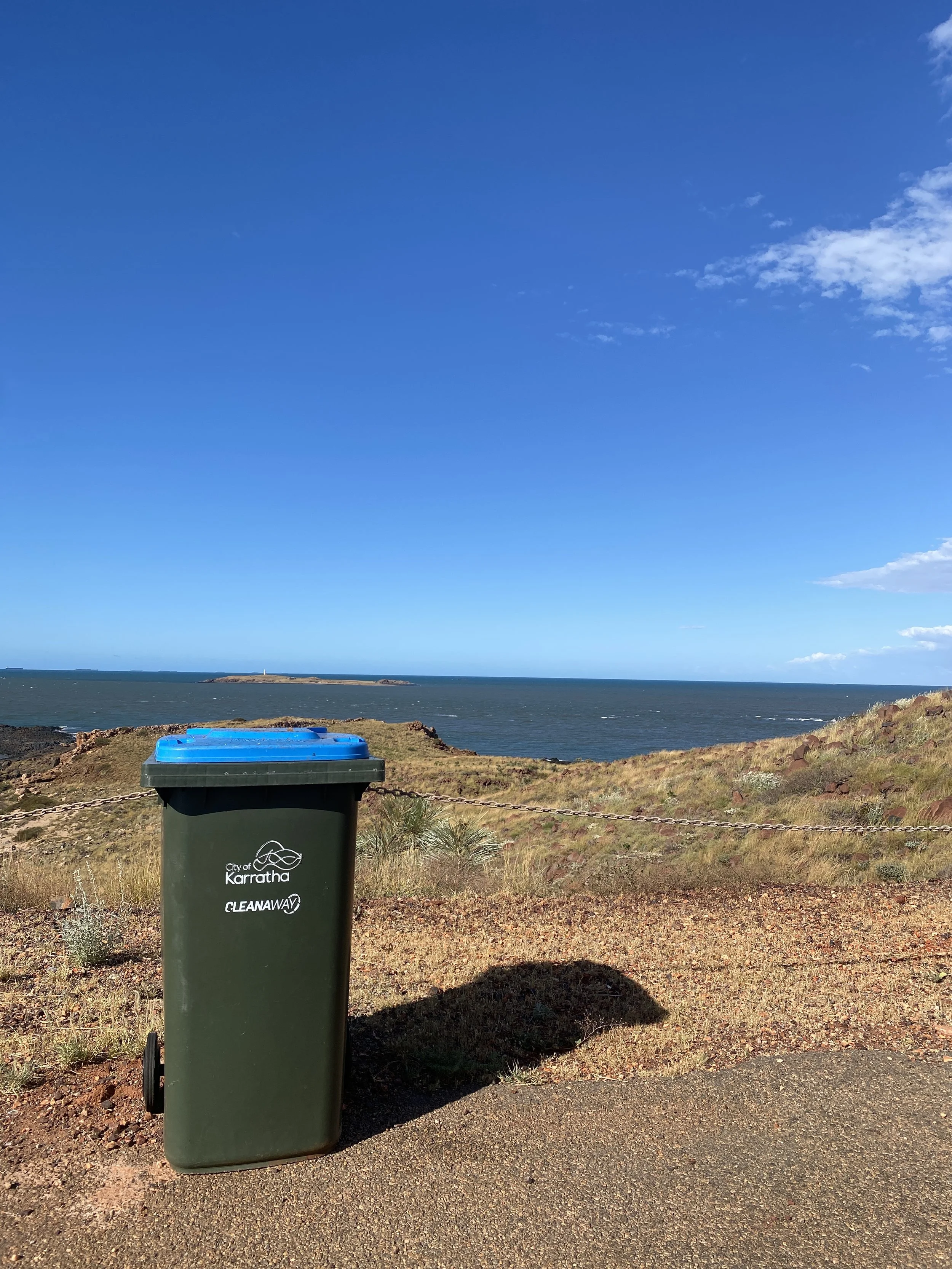
City of Karratha

Waste Management and Resource Recovery Strategy 2025–2035


  • Development of a ten‑year Waste Management and Resource Recovery Strategy tailored to the unique operational, environmental and social context of the Pilbara region

  • Detailed analysis of baseline waste data, service performance, infrastructure capacity and future waste generation trends

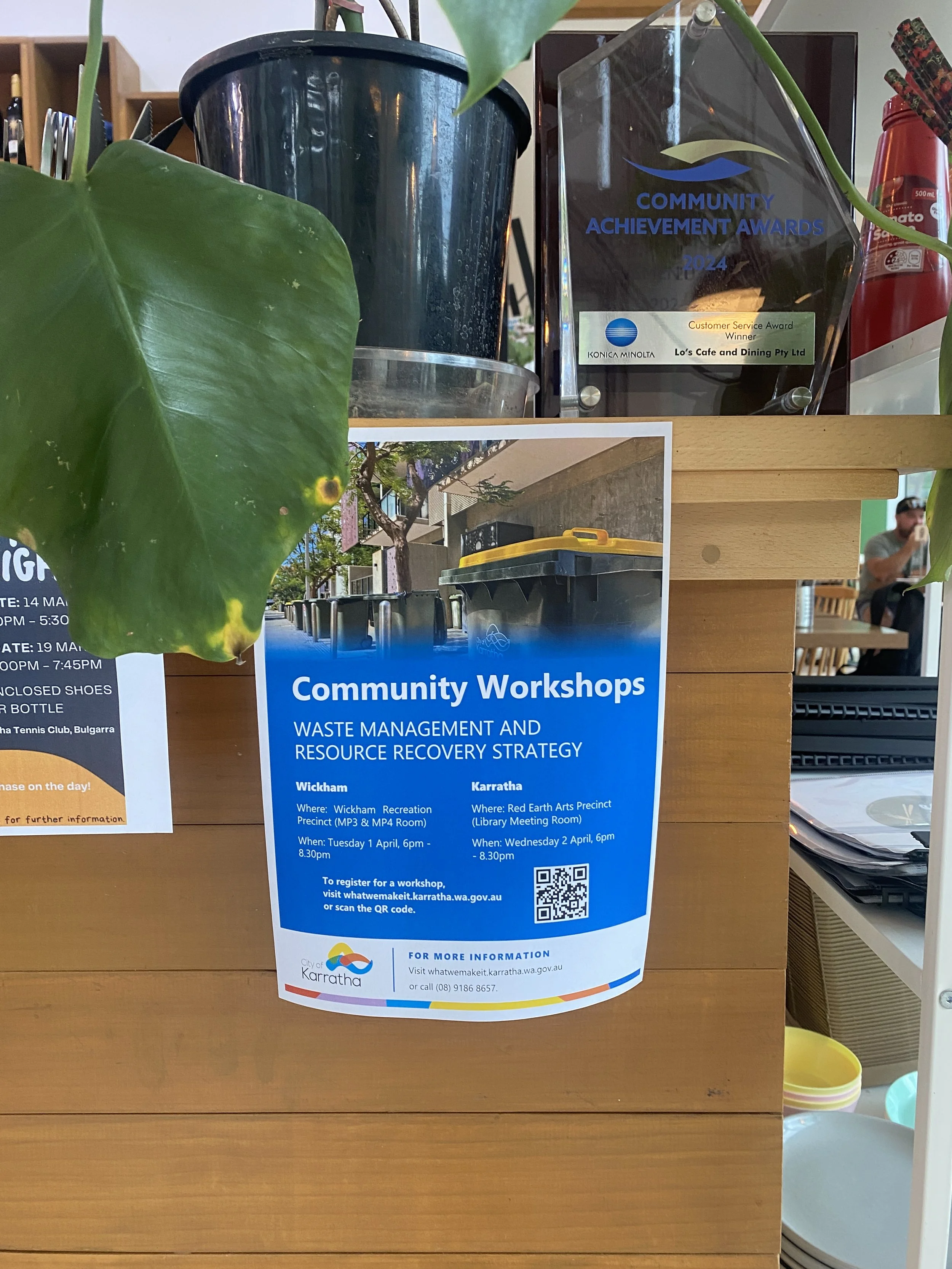
  • Extensive community and stakeholder engagement, including surveys, workshops and industry interviews, to inform priorities and service improvements

  • Preparation of a costed, staged Action Plan aligned with Western Australia’s Waste Avoidance and Resource Recovery Strategy 2030, supporting improved recovery, behaviour change and regional collaboration


ASK Waste Management was engaged by the City of Karratha to develop a Waste Management and Resource Recovery Strategy to guide the City’s transition toward more sustainable, efficient and equitable waste management over a ten‑year period.

The Strategy responds to the unique challenges of the Pilbara region, including geographic isolation, high industrial activity, extreme climate conditions, and limited access to recycling infrastructure and end markets.

The project involved a comprehensive review of baseline waste data, existing services and infrastructure, and extensive community and stakeholder engagement.

The Strategy establishes a clear set of goals, objectives and prioritised actions to improve resource recovery, reduce reliance on landfill, address litter and illegal dumping, support Aboriginal communities, and strengthen regional collaboration.

A staged implementation framework supports integration into the City’s corporate planning and long‑term financial processes.

Gunnedah Shire Council

Waste Avoidance and Resource Recovery Strategy


  • Development of a long‑term Waste Avoidance and Resource Recovery Strategy to guide sustainable waste management across the Gunnedah Shire

  • Review of existing waste services, infrastructure, waste generation, recovery performance and future growth projections

  • Extensive community and stakeholder engagement, including surveys, workshops and pop‑ups, to inform priorities and service improvements

  • Preparation of a costed, staged implementation plan aligned with state and regional targets to increase resource recovery and reduce waste to landfill


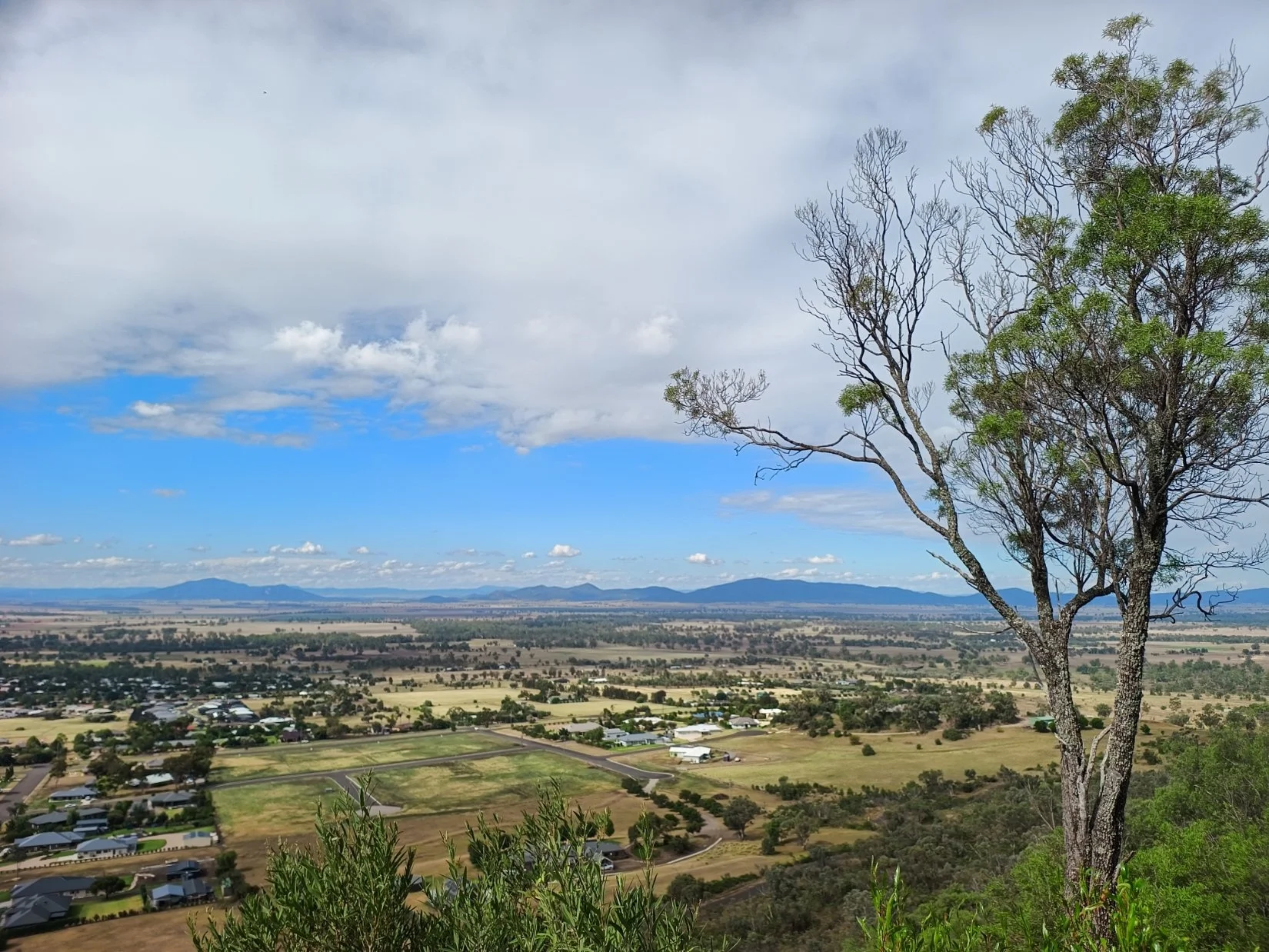
ASK Waste Management was engaged by Gunnedah Shire Council to prepare a Waste Avoidance and Resource Recovery Strategy to guide the sustainable management of waste services and infrastructure over the next decade.

The Strategy was developed to align with local, regional, state and national policy frameworks, including the NSW Waste and Sustainable Materials Strategy 2041 and the Northern Inland Regional Waste Strategy.

The project involved a detailed review of existing waste services, facilities, waste quantities and recovery performance, supported by comprehensive community and stakeholder engagement.

The Strategy establishes clear objectives, targets and a prioritised implementation plan to reduce waste generation, increase resource recovery, improve service efficiency and support the transition to a circular economy across both urban and rural communities.

Shire of Wyndham East Kimberley

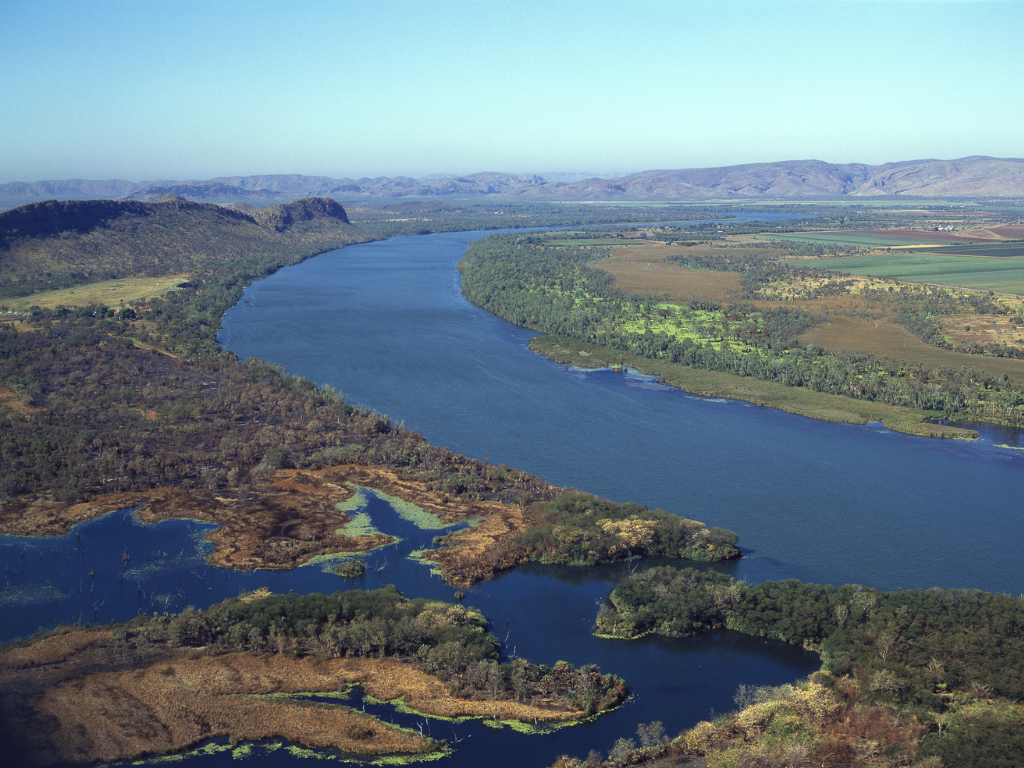
Landfill Closure Management Plan – Kununurra Waste Disposal Facility (2025)


  • Preparation of a comprehensive landfill closure management plan to support regulatory compliance and long‑term environmental protection at the Kununurra Waste Disposal Facility

  • Development of final landform, capping, revegetation, surface water and landfill gas management concepts based on a detailed risk assessment

  • Definition of post‑closure monitoring and maintenance requirements for groundwater, landfill gas, surface water and cap integrity over the aftercare period

  • Preparation of closure and post‑closure cost estimates to assist the Shire with budgeting for future rehabilitation and monitoring liabilities


ASK Waste Management was engaged by the Shire of Wyndham East Kimberley to prepare an updated Landfill Closure Management Plan (LCMP) for the Kununurra Waste Disposal Facility. The LCMP provides a comprehensive, risk‑based framework for the progressive rehabilitation, final closure and post‑closure management of the landfill, in accordance with Western Australian regulatory requirements and best‑practice landfill guidelines.

The plan documents the environmental setting of the site, assesses risks to sensitive receptors, and establishes a technically robust rehabilitation design including final landform contours, capping system, surface water controls and landfill gas management.

It also defines post‑closure monitoring and maintenance requirements over a long‑term aftercare period, together with detailed cost estimates to support financial planning for closure liabilities.

The LCMP is intended to support licence compliance, inform operational decision‑making during the remaining life of the facility, and provide assurance that long‑term environmental risks are appropriately managed.

Shire of Northam

Old Quarry Road Waste Management Facility – Options Assessment


  • Assessment of future waste disposal options for the Old Quarry Road Waste Management Facility to address limited remaining landfill capacity

  • Whole‑of‑life modelling and comparison of multiple scenarios, including landform optimisation, third‑party disposal and development of a lined regional landfill

  • Evaluation of capital, operational and closure costs, revenues, risks and implementation barriers for each option

  • Provision of staged recommendations to extend short‑term capacity and guide long‑term strategic waste disposal planning for the Shire


ASK Waste Management was engaged by the Shire of Northam to assess future waste disposal options for the Old Quarry Road Waste Management Facility following confirmation that the site would reach capacity within a short timeframe under a business‑as‑usual scenario.

The project examined the economic, operational and regulatory feasibility of a range of options to extend the life of the existing facility or transition to alternative disposal arrangements.

The assessment involved whole‑of‑life landfill modelling, detailed cost and revenue analysis, and comparison of multiple scenarios including revised landform design, changes to waste acceptance policies, use of third‑party landfills and development of a lined regional landfill.

The outcomes provided the Shire with clear, evidence‑based recommendations, identifying a preferred short‑term option to extend capacity and a pathway for investigating long‑term regional disposal solutions.

Regional Development Australia Mid West & Gascoyne

Waste & Recycling – Opportunity Identification: Gascoyne Region


  • Review of local government waste and recycling services across the Gascoyne region, including Carnarvon, Exmouth, Shark Bay and Upper Gascoyne, to identify opportunities for regional collaboration
  • Assessment of waste infrastructure, operations, data, staffing and financial arrangements to understand constraints, risks and long term liabilities

  • Identification and stakeholder ranking of priority regional opportunities to improve compliance, efficiency, service delivery and resource recovery

  • Development of a prioritised implementation framework, including a costed 15 month action plan to guide future regional waste and resource recovery planning


ASK Waste Management was commissioned by Regional Development Australia Mid West & Gascoyne to undertake a comprehensive review of local government waste and recycling services across the Gascoyne region, encompassing the Shires of Carnarvon, Exmouth, Shark Bay and Upper Gascoyne. The project focused on identifying opportunities for regional collaboration to improve service delivery, regulatory compliance and cost efficiency in a geographically large and operationally challenging region.
The project involved analysis of existing waste services, infrastructure, operational practices, financial arrangements and waste data, supported by site inspections, stakeholder interviews and regional workshops. ASK identified and ranked a suite of opportunities to address key challenges including staffing constraints, limited economies of scale, data gaps, and long term landfill liabilities. The outcomes of the project included a prioritised set of regional initiatives, an implementation framework and a costed 15 month action plan to support improved waste management performance and guide future development of a Regional Waste and Resource Recovery Strategy.

Shire of Wyndham East Kimberley

Hydrogeological Assessment Report – Kununurra Waste Disposal Site (2025)


  • Preparation of a hydrogeological assessment to meet licence requirements and support ongoing groundwater management at the Kununurra Waste Disposal Site

  • Assessment of groundwater levels, flow directions and seasonal behaviour using multi year monitoring data collected to Australian Standards

  • Evaluation of groundwater quality trends against environmental and non potable use guideline values, including QA/QC review of field and laboratory data

  • Recommendations for continued monitoring and additional infrastructure to improve understanding of upgradient groundwater conditions


ASK Waste Management prepared a comprehensive Hydrogeological Assessment Report for the Kununurra Waste Disposal Site to satisfy groundwater assessment and reporting requirements under the site’s renewed Environmental Protection Licence.

The report documents groundwater conditions beneath and surrounding the landfill, with a focus on groundwater levels, flow directions, seasonal behaviour and groundwater quality trends.

The assessment draws on groundwater monitoring data collected between July 2022 and June 2025, following the transition to qualified external sampling in accordance with Australian Standards. It includes detailed descriptions of monitoring bores, field and laboratory QA/QC procedures, and an evaluation of data reliability.

Groundwater quality results are assessed against relevant environmental and non‑potable use guidelines, with trend analysis used to identify spatial and temporal patterns and potential localised influences.

Shire of Wyndham East Kimberley

Future Waste Facility – Concept Design and Costing (2024)


  • Preparation of a concept layout and staged development approach for a future landfill and transfer station facility in a remote regional context

  • Assessment of three landfill liner scenarios (geosynthetic, compacted clay and unlined) to compare capital cost, unit disposal cost and environmental risk

  • Development of schematic layouts covering landfill cells, drop‑off and transfer areas, internal roads, stormwater and leachate management infrastructure

  • Delivery of high‑level capital cost estimates and unit cost benchmarking to inform long‑term planning, regulatory discussions and investment decisions


ASK Waste Management, in collaboration with GreenTec Consulting, was engaged by the Shire of Wyndham East Kimberley to prepare a concept design and capital cost assessment for a future waste management facility.

The project responds to the Shire’s need for a long‑term, compliant disposal solution suitable for remote regional conditions and modest waste volumes.

The study developed a conceptual layout for a new landfill and transfer station facility designed to manage approximately 10,000 tonnes of waste per annum, with an initial operational life of 30 years. Three landfill construction scenarios were assessed—geosynthetic lined, compacted clay lined, and unlined—each with differing capital cost, operational complexity and environmental risk profiles.

The report provides schematic layouts, staged development assumptions and detailed capital cost estimates to support strategic decision‑making and engagement with regulators.

Northern Inland Regional Waste (NIRW)

Regional Waste Strategy 2022–2027


  • Development of a five‑year regional waste strategy to guide coordinated action across 12 councils in the Northern Inland region of NSW

  • Alignment with NSW waste, plastics and circular economy policy frameworks, including Waste and Sustainable Materials Strategy 2041

  • Identification of regional priorities, targets and actions to reduce waste generation, increase recovery, manage problem wastes and minimise litter and illegal dumping

  • Establishment of a collaborative implementation framework supporting regional contracts, shared infrastructure planning, community education and disaster waste preparedness


ASK Waste Management prepared the Northern Inland Regional Waste (NIRW) Regional Waste Strategy 2022–2027 to provide a coordinated, region‑wide framework for improving waste management and resource recovery outcomes across the New England and North West region of New South Wales.

The strategy supports a voluntary collaboration of 12 member councils, covering almost 100,000 square kilometres, and recognises the importance of regional leadership, shared infrastructure planning and economies of scale.

The Strategy is aligned with the NSW Waste and Sustainable Materials Strategy 2041, the NSW EPA Waste Delivery Plan and the NSW Plastics Action Plan. It sets a clear vision, targets and strategic objectives to reduce waste generation, increase recovery rates, support circular economy opportunities, reduce litter and illegal dumping, and improve disaster resilience.

A strong emphasis is placed on community education, behaviour change, regional contracts, and collaboration with industry and government to deliver long‑term, sustainable outcomes for the region.

Shires of Broome, Derby/West Kimberley, Halls Creek and Wyndham East Kimberley

REGIONAL WASTE MANAGEMENT PLAN 2018-2023


  • Continued involvement with Kimberley councils on Regional Waste Management Planning

  • Understanding of unique factors effecting vast regional area

  • Facilitation and encouragement of cross-council collaboration

  • Development of action plan, project costings, implementation timetable and risk assessment


ASK has worked with the Kimberley Councils since 2008 and was asked to update the previous RWMP produced by ASK in 2013.  The RWMP provides the Councils with a clear, costed five year action plan to meet their objectives and targets.

The review was updated to include up-to-date waste management services provided, waste generation projections, issues and objectives.

ASK presented the baseline data review for the region at a Kimberley Zone meeting and facilitated an agreed framework for development of the actions to support the new plan.  Following this workshop with the four Councils, a new RWMP was developed including a five-year action plan, project costings, timetable for implementation and risk assessment.

The 2018-2023 Regional Waste Management Plan focuses on capitalising on the benefits of collaboration within the region and includes an action plan, project costings, timetable for implementation and risk assessment. The action plan is aimed at increasing recycling and the operational life of the Council’s landfills.
The plan considers and reflects the unique factors faced by the Kimberley Region, such as small population communities, distance from metropolitan centres and the management of rural landfills.

Nhulunbuy Corporation Limited (NCL), Northern Territory

OPERATIONAL AND CONTRACTUAL REVIEW, AND ENVIRONMENTAL, OPERATIONAL, AND STRATEGIC WASTE MANAGEMENT PLANNING


  • Assessment of Nhulunbuy Waste Facility, operations & contracts

  • Development of Operational Improvement Plan, Master Plan, Landfill Closure Management Plan & Environmental Management Plan for the Facility

  • Provision of operational training to Facility personnel


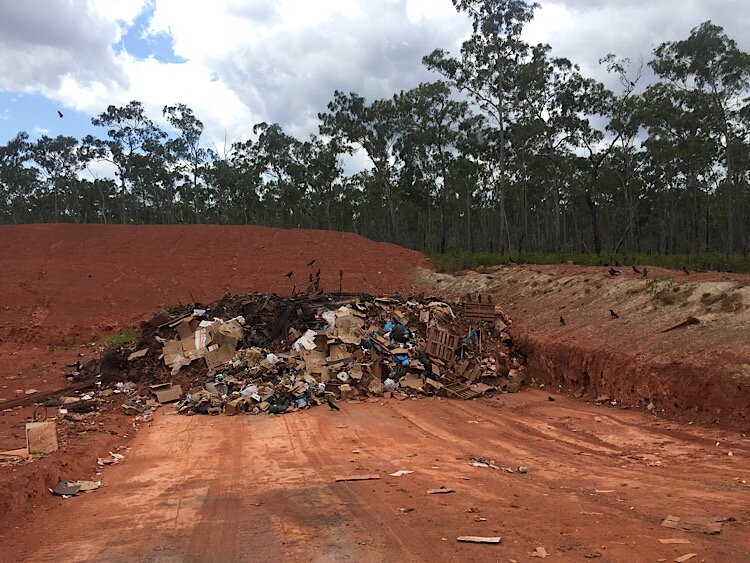
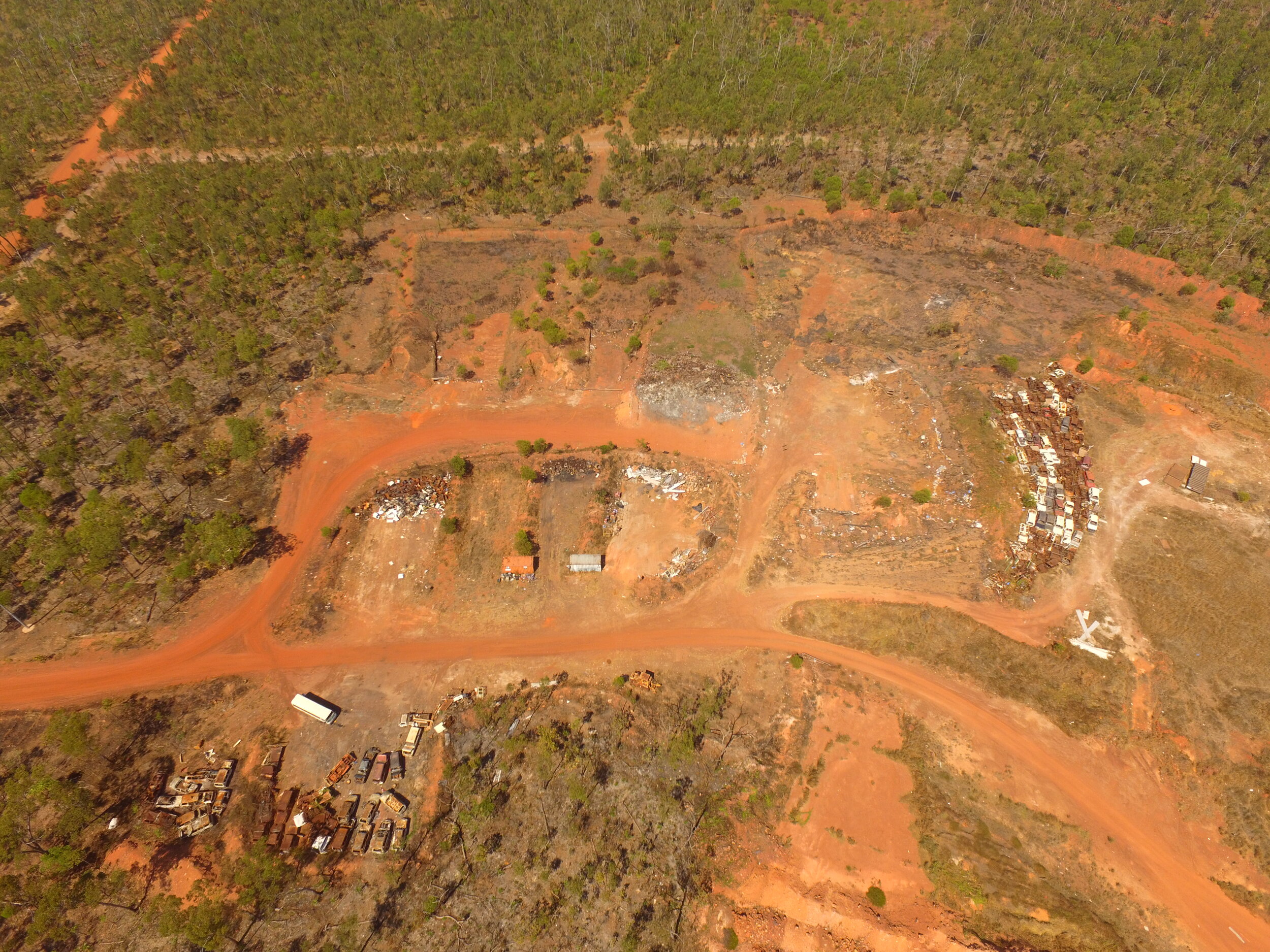
ASK began working with Nhulunbuy Corporation Limited (NCL) in 2018. The series of projects began with an onsite visit to the facility and town of Nhulunbuy in Northern Territory’s Northeast Arnhem Land (Gove Peninsular). ASK met with the various stakeholders and toured the Gove Peninsular Waste Facility to gain an understanding of the area’s unique environmental, socio-political, economic and cultural context.

NCL initially engaged ASK to review their existing contracts for waste collection and operation of the landfill to identify areas where improvements could be made to operational efficiency, service delivery, and environmental performance.

Based on the findings, ASK produced an Operational Improvement Plan that identified areas in need of improvement in order to ensure compliance with the EPL and NT EPA Guidelines. The report discussed facility planning, waste acceptance, waste handling, cell management, plant maintenance, environmental management, staff training, data collection and facility oversight. It also included a risk assessment.

On the back of ASK’s recommendations, ASK has since been engaged to develop a Master Plan, Landfill Closure and Post Closure Plan (LCPCP) and Landfill Environmental Management Plan (LEMP) for the Gove Peninsular Waste Facility. Upcoming projects also include facilitating staff training onsite, developing resource recovery options and improving data collection and analysis.

This project is on-going. For more information, please contact ASK.

MidWaste (Mid North Coast, NSW)

C&D WASTE REVIEW, MARKET ANALYSIS AND DIVERSION OPTIONS REPORT


  • Onsite C&D audit of eight waste facilities in the NSW MidWaste region

  • Outline of present situation of C&D waste recovery in MidWaste region

  • Market analysis of current local, state & national markets for C&D material

  • Breakdown of diversion options to increase C&D diversion, boost existing markets & take advantage of upcoming markets


MidWaste encompasses waste and recycling activities in the Mid North Coast of NSW and comprises of six councils: Coffs Harbour City Council, Bellingen Shire Council, Nambucca Shire Council, Kempsey Shire Council, Port Macquarie-Hastings Council, and MidCoast Council.
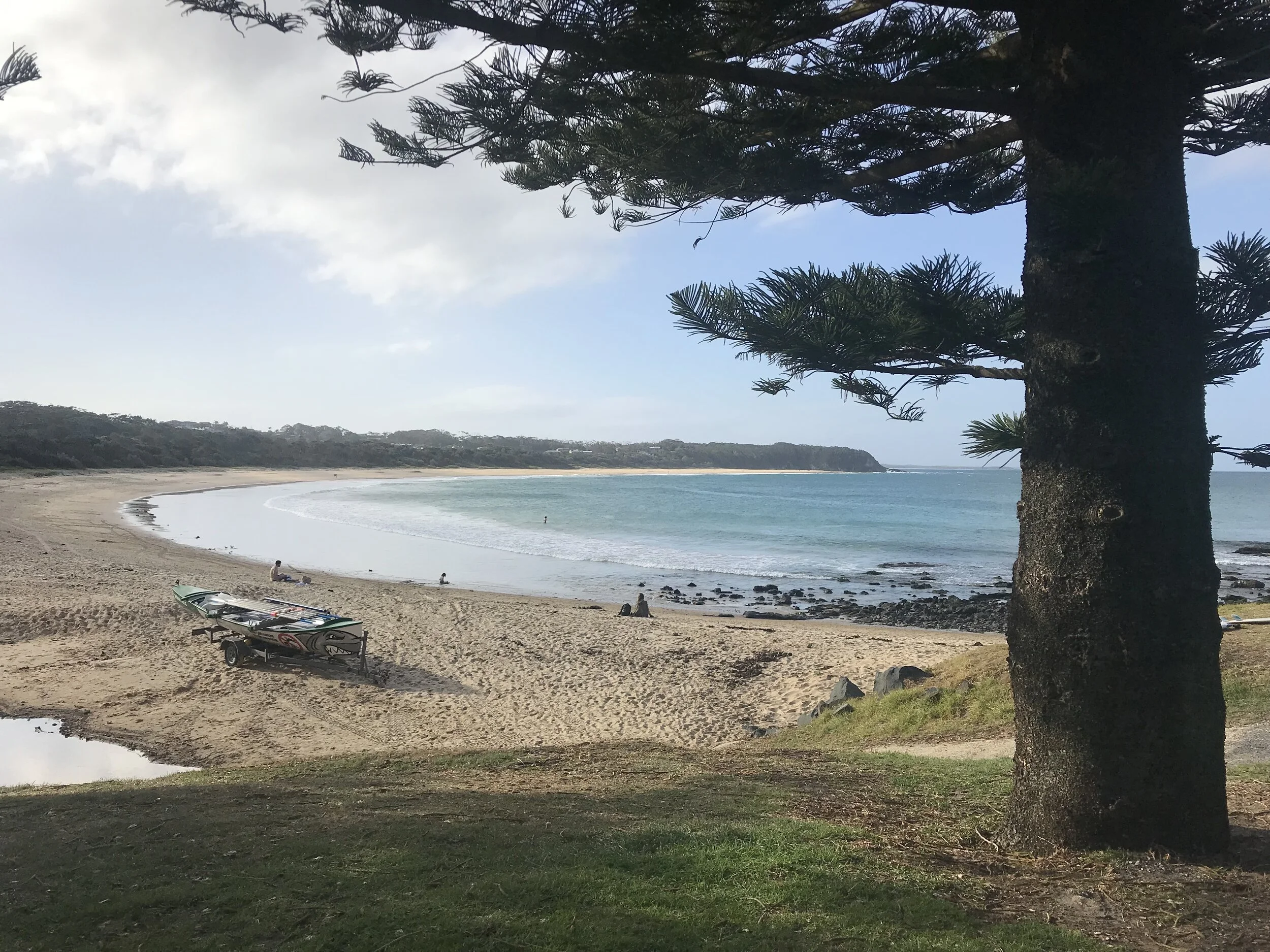
ASK were engaged to review and analyse the current situation of Construction & Demolition (C&D) waste diversion within the MidWaste region. ASK surveyed C&D waste being taken to landfill at the eight largest facilities in the region for two days each; one weekday to survey commercial customers and one weekend day to survey domestic customers.

A desktop review was also conducted which outlined relevant national, state and local legislation and guidelines, as well as best practices from Australia and around the world.

A market analysis of the current local, state and national markets for C&D materials was explored through research and on-the-ground inquiries. These local connections resulted in a greater understanding of the complexities of the markets and the discovery of new opportunities for diversion.

The final report compiled the information and broke down diversion strategies that were currently working within individual council areas that could be expanded to the broader MidWaste region, together with innovative concepts and markets which could boost diversion rates within MidWaste.

Bunbury Harvey Regional Council

CELL DESIGN AND APPROVALS APPLICATION
(IN COLLABORATION WITH GREENTEC)


  • Design and Approval of first lined cells at BHRC landfill site

  • Establishing lined cells adjoining existing unlined areas

  • Collaborative landfill cell engineering and design

  • Environmental Monitoring Plans including Risk Assessment


In cooperation with long-time collaborative partner Greentec Consulting (a specialist in landfill engineering), ASK led the design and approvals process for the first lined cells at the Bunbury-Harvey Regional Council’s (BHRC) Stanley Road Waste Management Facility.

The project involved joining the proposed lined cells with the existing unlined cells in a design which maximised airspace and minimised construction costs in consideration of the site characteristics.

The engineering design component included assessing all relevant criteria and constraints and preparing an overall landfill design that meets the assessed requirements, as well as concept engineering drawings and a report for approvals submission.

The team assessed landfill development, groundwater protection, stormwater management, leachate management and landfill gas management for the proposed development including modelling, review of case studies and other engineering justification where relevant.

Landfill and Construction Environmental Management Plans (EMP) were produced outlining the environmental receptors, constraints and measures proposed to ensure the continued disposal of waste has minimal impact on the surrounding environment.  The EMPs included a Risk Assessment of the proposal in line with regulatory requirements. A Landfill Closure Management Plan was also developed.

In December 2019, DWER approved the application to build the first lined cells at BHRC’s Stanley Road Waste Management Facility.

This project is on-going. For more information, please contact ASK.

East Arnhem Regional Council (EARC), Northern Territory

REGIONAL WASTE MANAGEMENT STRATEGY
INC. ENVIRONMENTAL MANAGEMENT PLANS


  • Site visits to eight remote communities in the EARC region

  • Assessment of the unique challenges and opportunities for waste management in each community

  • Development of Environmental Management Plans and Performance Improvement Plans for waste facilities

  • Review of Regional Waste Management Strategy


The East Arnhem Regional Council (EARC) provides core Local Government Services to nine remote communities of Arnhem Land: Milingimbi, Ramingining, Galiwin’ku, Gapuwiyak, Yirrkala, Gunyangara, Umbakumba, Angurugu and Milyakburra.

ASK visited eight of the remote communities in the EARC region to assess the waste facilities and photographically document them, liaise with staff and managers, and develop an understanding of the social, cultural, economic and environmental factors that impact the use and management of the waste facilities.

From the information procured through the site visits, ASK produced an environmental risk assessment for each facility.  Environmental management strategies were developed to mitigate risks identified in the risk assessment process and were compiled in community specific Environmental Management Plans (EMPs).  The EMPs also contain Performance Improvement Plans (PIPs) that will assist the EARC in planning improvement works and actions at the waste facilities.

ASK will also review of the EARC Waste Management Strategy and make recommendations on how it can be improved and used to facilitate the implementation performance improvement actions detailed in the EMPs.

This project is on-going. For more information, please contact ASK.

North Eastern Wheatbelt Regional Organisation of Councils (NEWROC)

REGIONAL WASTE MANAGEMENT OPTIONS AND FEASIBILITY STUDY


  • Upgrading options for eight currently unstaffed, ungated landfill sites

  • Devising region-based solutions that consider travel distances, population sizes, and current contractor capacity

  • Economic review and comparison of options

  • Understanding of unique factors effecting vast regional area


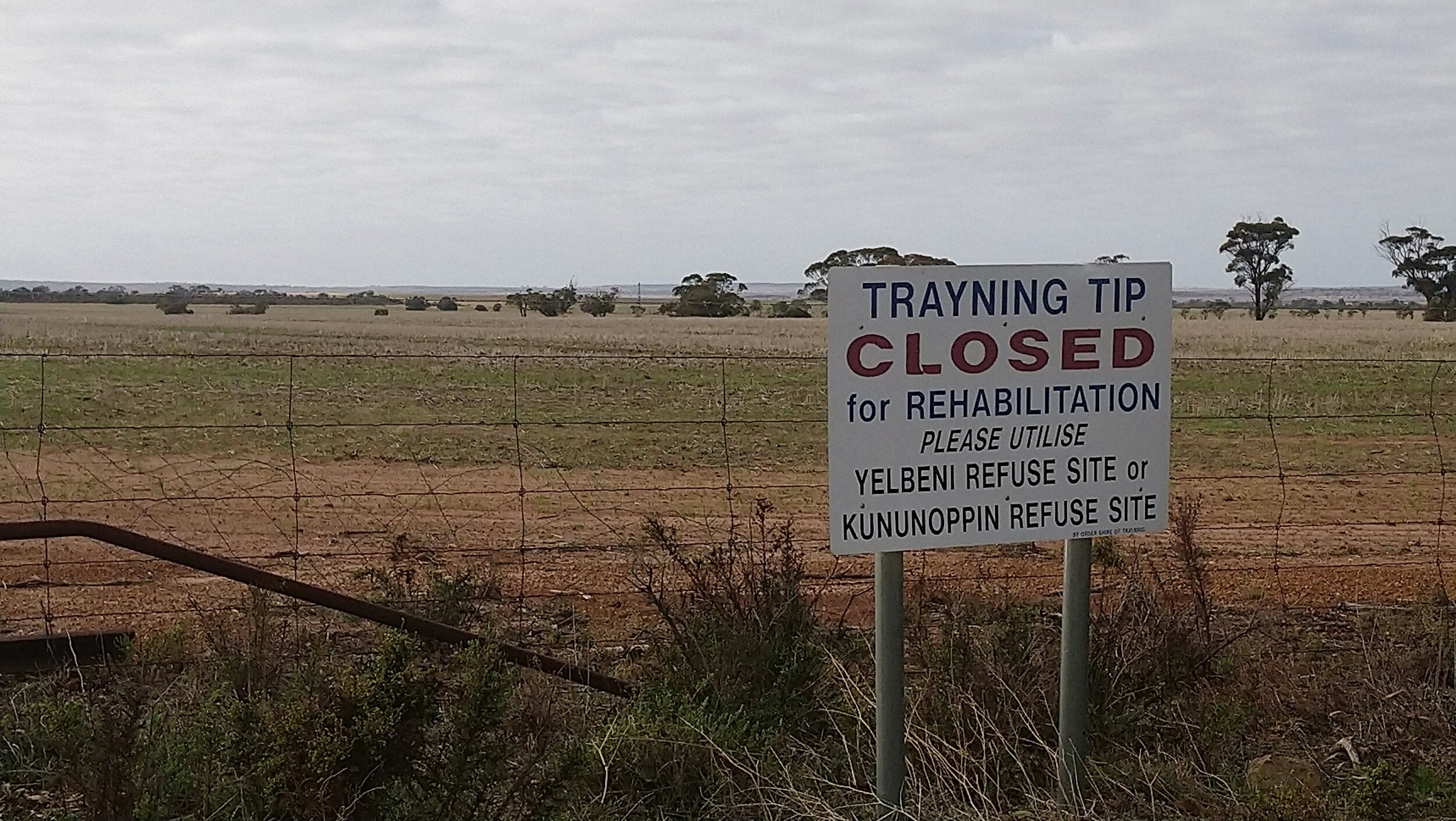
The North Eastern Wheatbelt Regional Organisations of Councils (NEWROC) is a voluntary regional organisation which covers a landmass of 20,000 sq. km and 2,500 people. It includes the Shires of Koorda, Mount Marshall, Mukinbudin, Nungarin, Trayning and Wyalkatchem.

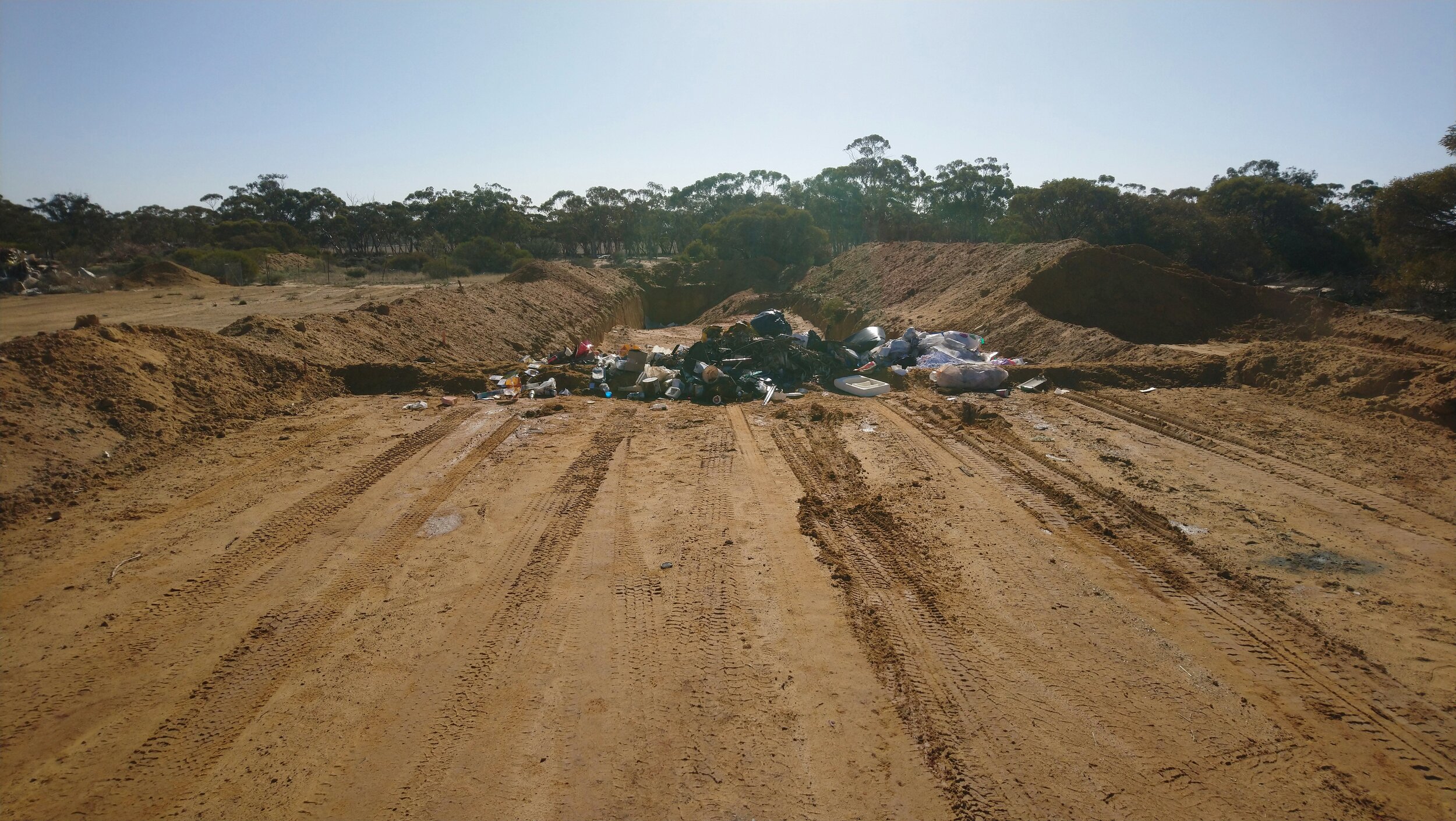
ASK was engaged to assist the NEWROC to assess and recommend options for improving the management of their landfills. The landfill sites were all unmanned, most were unfenced and accessible 24 hours a day; some were closed, or looking to be closed, while others were deteriorating due to lack of upkeep. Sites with poor management were a potential environmental risk.

ASK performed a desktop assessment of the sites which determined the baseline for the region. ASK then devised four options for the NEWROC to consider including a summary of the economic, social, environmental and compliance factors involved. All options incorporated the implementation of a remote access system, including gates and fencing, for each site, whether it was used as a landfill or transfer station.

Office of Emergency Management

REVIEW OF EMERGENCY WASTE MANAGEMENT IN WA


  • First complete Emergency Waste Management report for WA

  • Research and review of EWM issues and solutions

  • Development of useful tools and guidance documents

  • Agreement of uptake by OEM


ASK produced the first complete report of Emergency Waste Management (EWM) for the Office of Emergency Management (OEM) in Western Australia. The report highlights the important role of EWM in the prompt and efficient recovery of impacted communities.

ASK investigated EWM issues in WA, liaised with a wide range of government departments and industry stakeholders, identified key barriers, reviewed legislation and stakeholder obligations, and researched state, national and international solutions.

The extensive report included a series of recommendations to improve the management of emergency waste in WA and assist the development of supporting tools and guidance documents for practitioners, and a suggested best practice approach to assist the preparation and management of emergency waste to enable effective and prompt recovery.

ASK presented the report to the State Emergency Recovery Committee and, following high praise and agreement to adopt many of the recommendations, a government working group was formed to follow through with the suggestions.

Shire of Wyndham East Kimberley

ON-GOING TECHNICAL AND OPERATIONAL ADVICE


  • Long-term trusted close relationship between SWEK and ASK

  • Identification, environmental monitoring and approvals for new landfill site

  • De-commission of old liquid waste lagoon and treatment of contaminated sludge

  • Advice for general operations and facilitation of training staff and managers


ASK has been assisting SWEK with their waste services and infrastructure since 2011.

Advice varies from specific projects, such as the identification, assessment and approvals for a new landfill site or the design and approvals for a new transfer station; through to general advice relating to daily management of the facilities or any unusual issues that arise.

ASK and SWEK have developed a trusted close relationship that ensures the Shire receives prompt, cost effective advice appropriate for the resource and factors faced in the East Kimberley.  Specific projects include:

  • introducing operational structures to ensure regulatory compliance;

  • training new landfill staff and managers;

  • feasibility studies and business case development for new waste and recycling services;
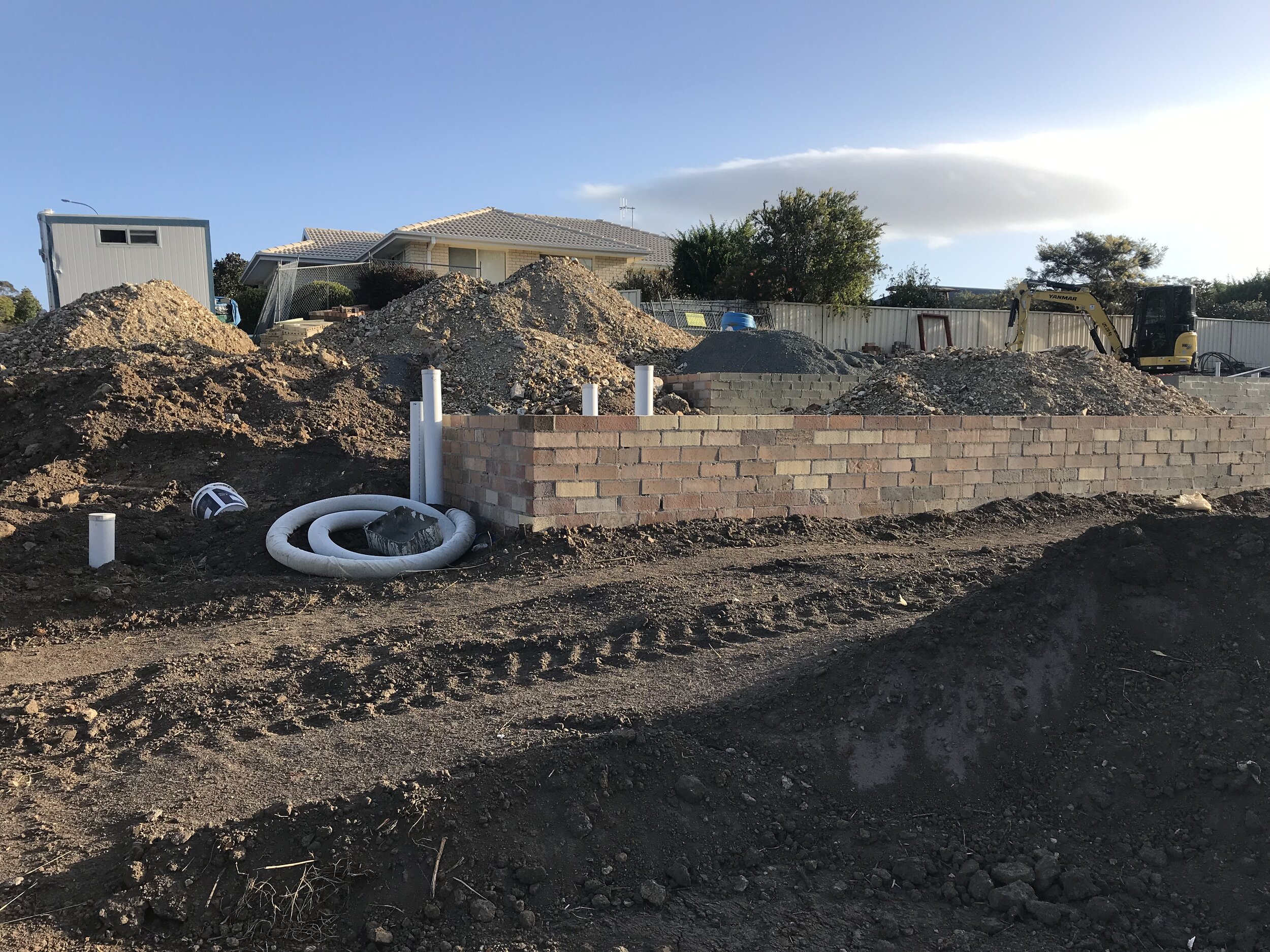
  • developing the layout for a new transfer station to replace a nearly full rural landfill;
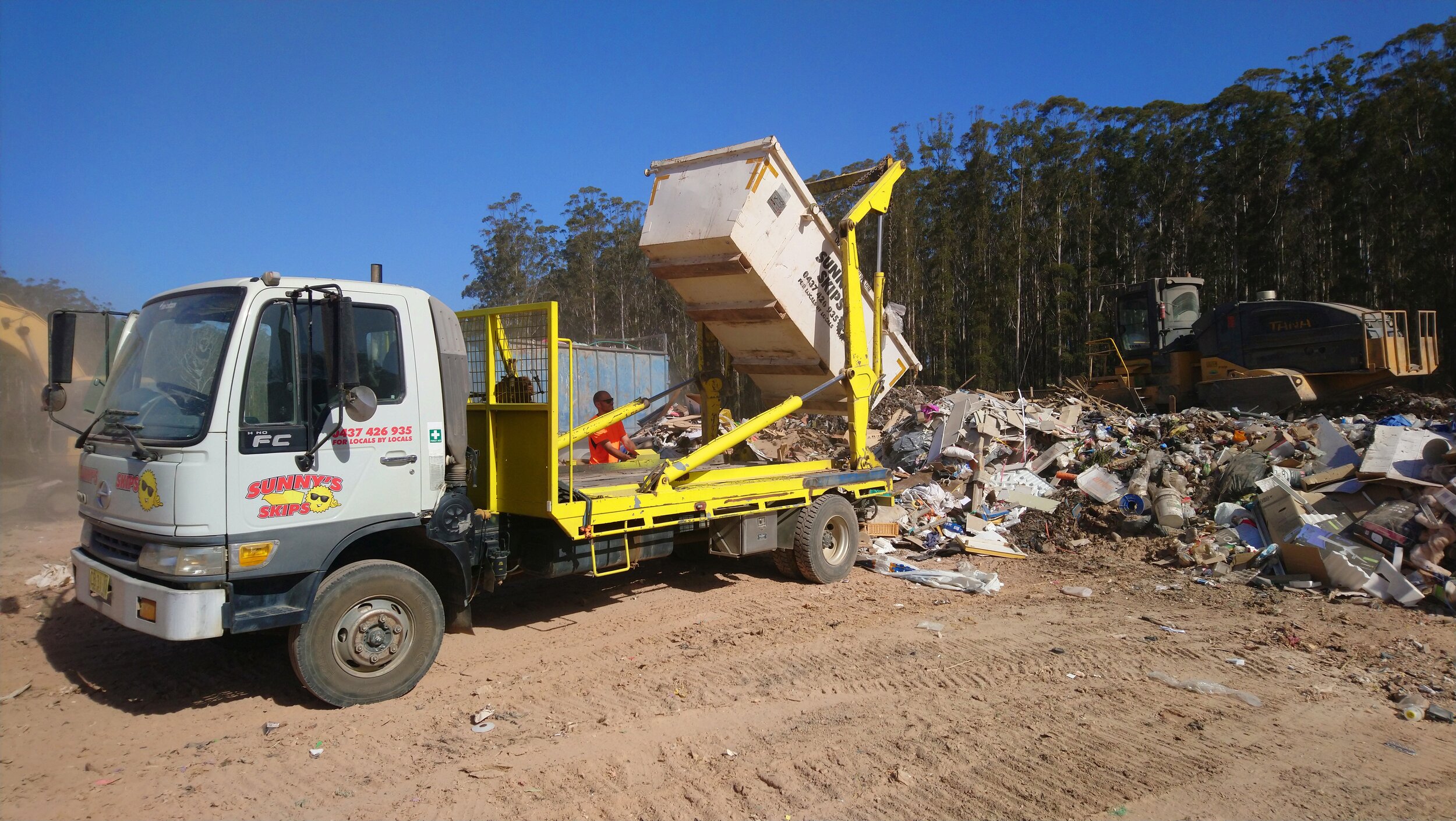
  • establishing and monitoring groundwater bores to assess a potential new landfill site;
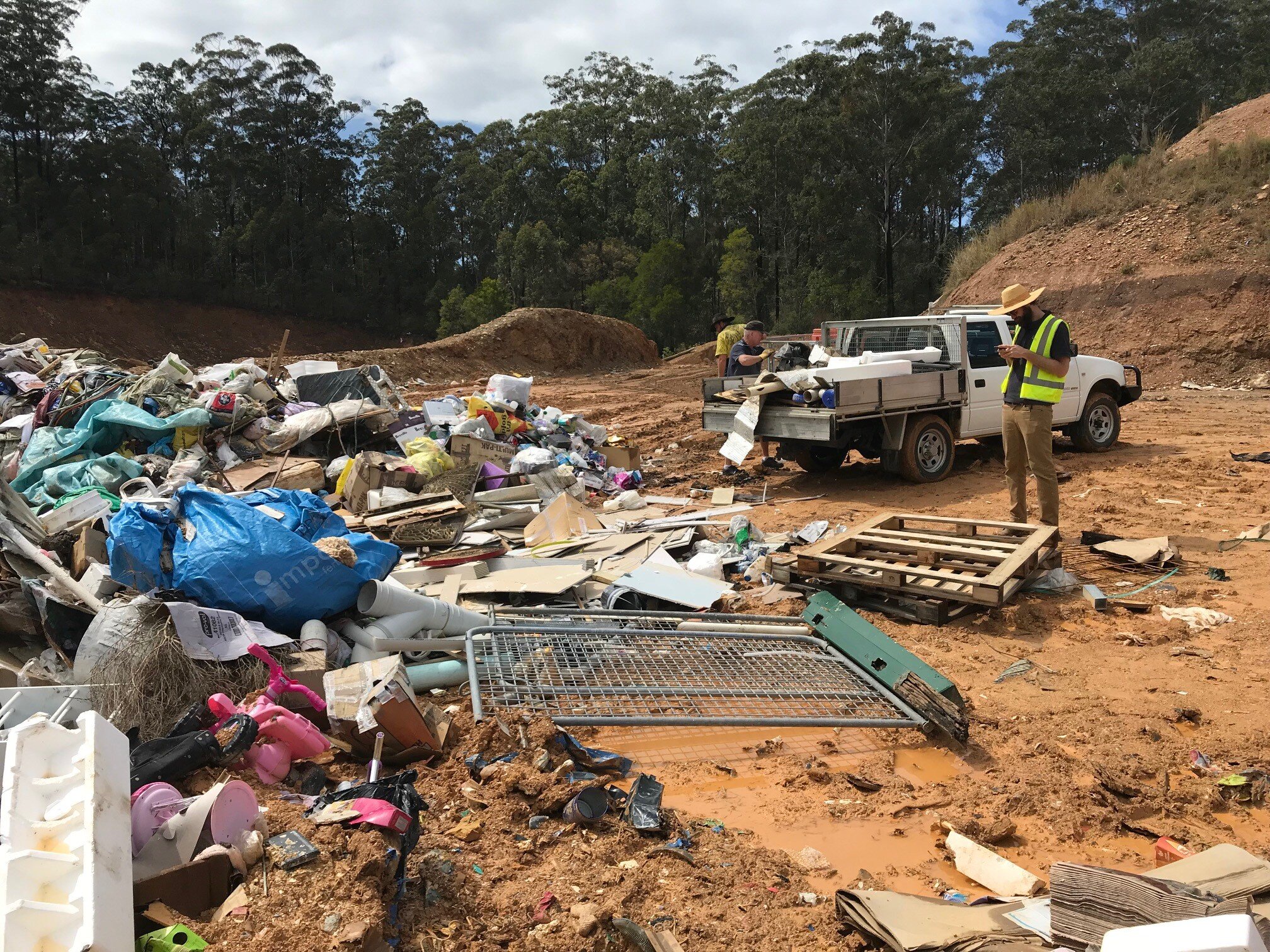
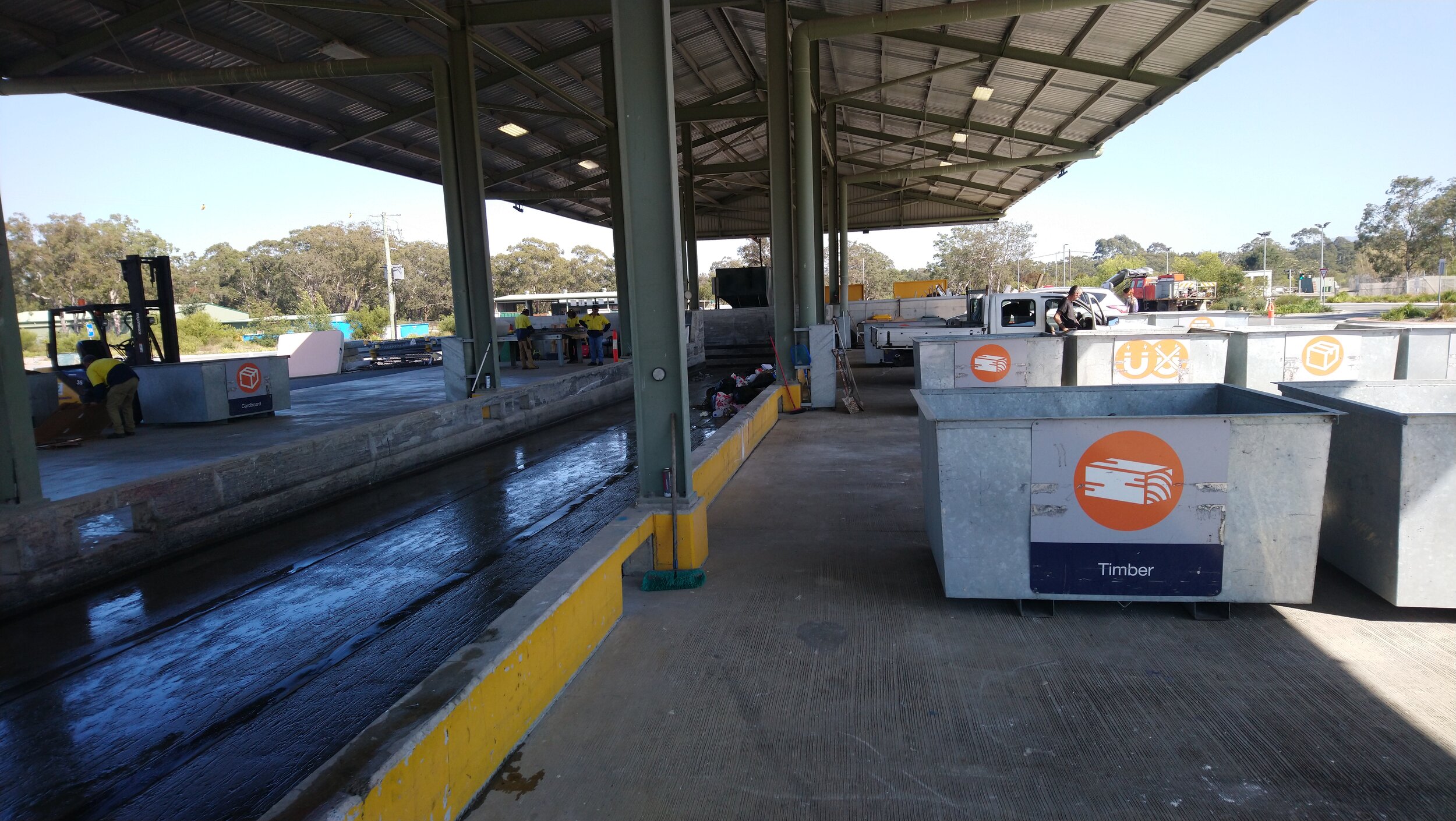
  • de-commissioning old liquid waste lagoon and treating the contaminated sludge;

  • producing a Landfill Operational Improvement Plan and Landfill Closure Management Plan;

  • facilitating workshop with new manager to summarise legacy issues, future strategy and waste services; and

  • collating data and completing annual reporting.

City of Greater Geraldton

ENVIRONMENTAL MONITORING


  • Groundwater bore monitoring and sampling in the field

  • Production of Annual Environmental Report


ASK completed groundwater sampling at the City of Greater Geraldton’s Meru Class III landfill facility and produced the Annual Environmental Report for submission to DWER.

ASK mobilised our field team to Geraldton and liaised with the City’s staff and site contractors.  After completing the site OH&S induction, our team collected the groundwater samples from difficult-to-access bores. ASK stored and transported the samples directly to the NATA accredited laboratory.

The laboratory results were immediately reviewed to check for any anomalies. Once the results were ‘approved’ as valid, the results were collated and used to produce the Annual Environment Report (AER).

JBG Quinn & Sons (UK)

WASTE TO AGRICULTURAL LAND RECYCLING


  • Long-term relationship with UK recycling company

  • Alternative waste method that encourages circular economy

  • Multiple environmental permits approved each year

  • Comprehensive understanding of soil management, GIS mapping, modern farming techniques and strict regulations and guidelines.


ASK has worked with JBG Quinn & Sons for over 10 years to ensure the regulatory compliance with their extensive waste recycling operations in the southwest of England.

Waste generated by numerous food processors is recycled to agricultural land to provide nutrients for crop growth and improve soil structure.

Under the UK Environment Agency permitting system, many wastes are matched with crop requirements at multiple farms.

The process requires a high level of understanding of the strict regulations in place, particularly the AHDB Nutrient Management Guide (RB209), as well as soil management, crop rotation, GIS mapping, and modern farming techniques.

ASK has submitted thousands of successful landspreading permits and continues to work with JBG Quinn & Sons to expand relationships with waste producers and farmers as the regulators continue to accept the use of a wide variety of wastes as fertiliser to provide agricultural benefit to the soil and for crop growth.